

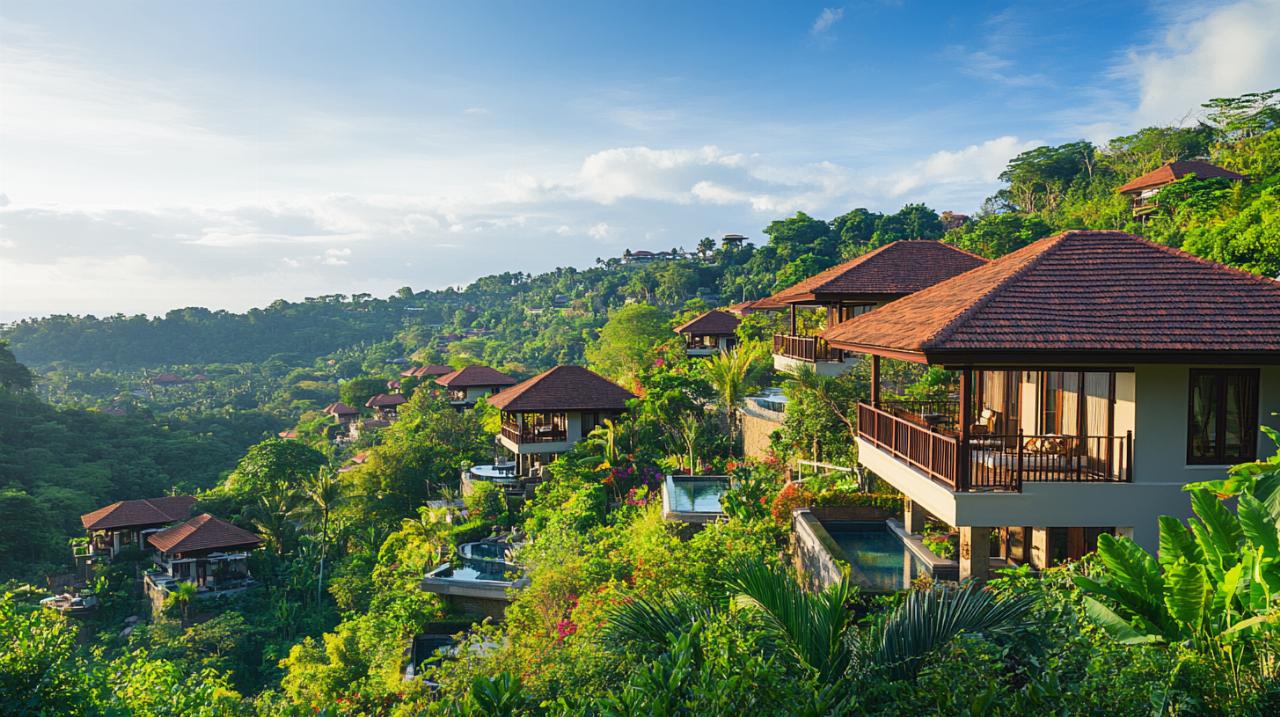
Relocating to a Caribbean island often conjures images of pristine beaches, swaying palms, and a slower, sun-drenched pace of life. Martinique, a French overseas territory nestled in the Lesser Antilles, offers precisely this vision alongside the infrastructure and social systems of mainland France. Yet, like any significant move, settling in this tropical paradise requires careful consideration of both its appealing qualities and the practical hurdles that prospective residents may encounter. Understanding the full spectrum of what life in Martinique entails is essential for anyone contemplating this vibrant yet complex destination.
The Advantages of Island Life in Martinique
Year-round tropical climate and natural beauty
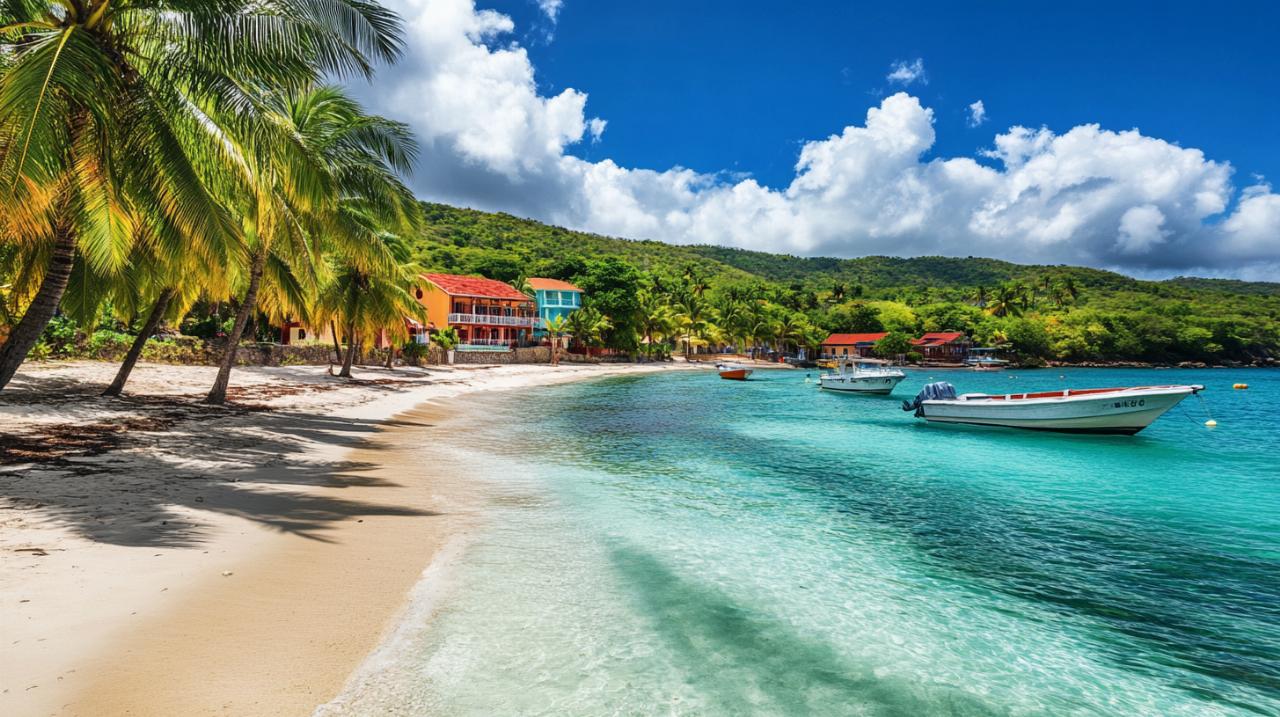
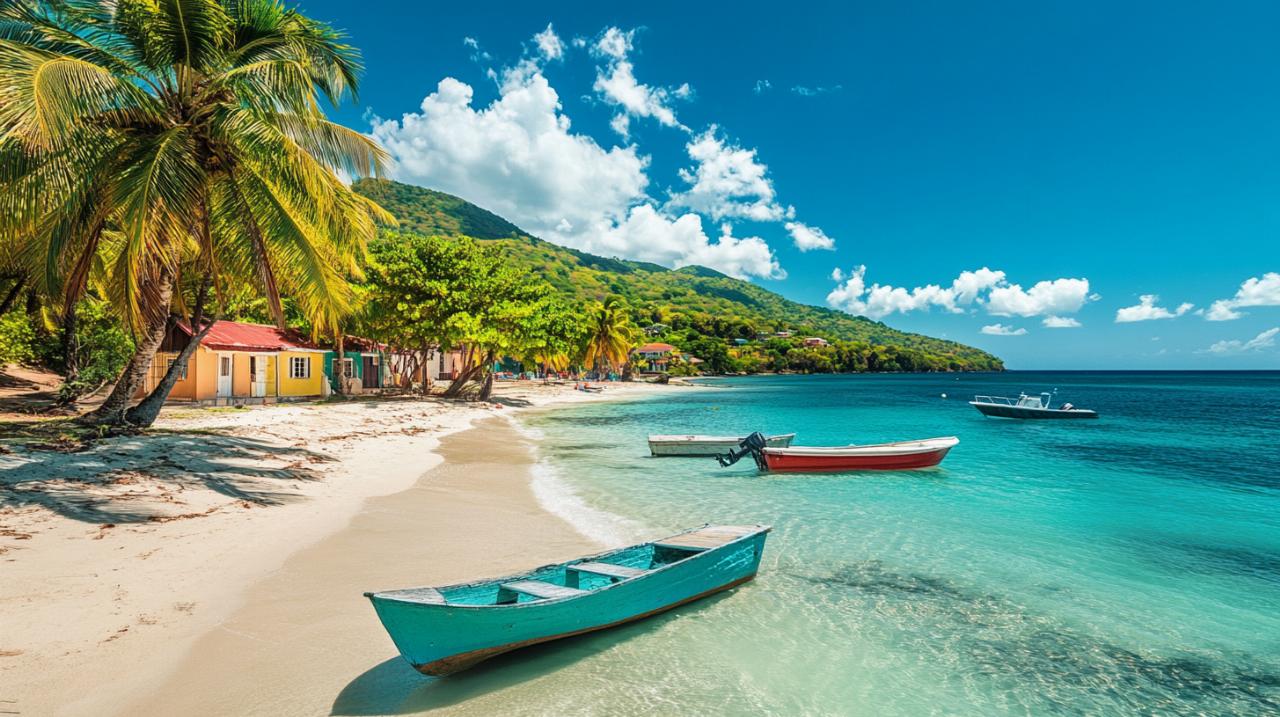
One of the most compelling reasons individuals choose Martinique is its enviable tropical climate. The island enjoys warm temperatures throughout the year, with balmy breezes tempering the heat and creating an atmosphere that feels perpetually holiday-like. The landscape itself is nothing short of spectacular, ranging from volcanic peaks draped in lush rainforest to stretches of golden and black sand beaches that meet turquoise waters. This natural beauty is not merely a postcard backdrop but a daily reality for residents, who can explore hiking trails, dive into coral reefs, or simply enjoy open-air living in a way that colder climates seldom permit. The environment encourages outdoor activities, fostering a lifestyle that prioritises health, relaxation, and a close connection to nature. For those weary of grey skies and long winters, Martinique's consistent sunshine and verdant scenery present an undeniable allure.
French infrastructure with caribbean charm
Beyond its scenic splendour, Martinique benefits from its status as an integral part of France, which means residents enjoy access to robust public services and modern infrastructure. The healthcare system mirrors that of mainland France, offering high standards of medical care and comprehensive coverage for those who qualify. Education follows the French national curriculum, ensuring that schools maintain rigorous academic standards and that qualifications are recognised across Europe. Transport links, utilities, and telecommunications are reliable, which is not always a given on smaller islands. This combination of European efficiency and Caribbean ambience creates a unique living environment where one can savour island culture whilst benefiting from the stability and support structures typically associated with a developed nation. The legal and administrative frameworks are well-established, providing clarity on matters ranging from property ownership to taxation, and the use of the euro as currency simplifies financial planning for Europeans and others familiar with the eurozone.
The Challenges of Relocating to Martinique
Cost of Living and Import Dependencies
Despite its many attractions, life in Martinique comes with financial considerations that can catch newcomers off guard. The cost of living is notably higher than in many other Caribbean islands and even exceeds that of some regions in mainland France. This is largely due to the island's heavy reliance on imported goods, which incur shipping costs and import duties that inflate prices on everything from groceries to household items and vehicles. Fresh produce, whilst available, can be expensive, and imported brands familiar to expatriates often carry premium price tags. Housing costs vary considerably depending on location and proximity to amenities, but desirable areas near the coast or close to Fort-de-France tend to command significant rents or purchase prices. For those planning to work locally, it is important to weigh salaries against these elevated expenses, as income levels may not always align with the cost of everyday living. Budgeting carefully and adjusting expectations around consumption are essential steps for anyone hoping to settle comfortably on the island.
Language barriers and cultural adjustment
Language presents another layer of complexity for those who do not speak French. Whilst Martinique is officially French-speaking, the local population also uses Creole in daily conversation, adding a regional flavour that enriches the cultural tapestry but can pose challenges for newcomers. English is not widely spoken outside tourist areas, and conducting business, accessing services, or integrating socially requires at least a functional command of French. This can be daunting for English speakers, particularly when navigating bureaucratic processes related to housing, healthcare, or legal matters. Cultural adjustment extends beyond language, as the island's blend of French, Caribbean, and Creole traditions creates social norms and expectations that may differ from those in the UK or other English-speaking countries. Understanding local customs, respecting community dynamics, and making an effort to engage with both the French and Creole aspects of island life are crucial for building meaningful connections and feeling truly at home.
Practical Considerations for Settling in Martinique
Housing, healthcare, and employment opportunities
Securing suitable housing is a priority for anyone planning to relocate, and Martinique offers a range of options from modern apartments in urban centres to traditional wooden houses in quieter coastal or rural areas. Prospective residents should be prepared for a competitive rental market, especially in sought-after locations, and should factor in additional costs such as utilities and maintenance. The healthcare system is a significant advantage, as residents can access the same level of care available in France, provided they meet the eligibility requirements for the social security system. This typically involves registering with the local health authority and ensuring that contributions are up to date. Employment opportunities are more limited than on the mainland, with the economy primarily driven by tourism, agriculture, and public sector jobs. Those planning to work should consider sectors where skills are in demand, such as education, healthcare, or hospitality, or explore options for remote work if their profession allows. Self-employment and entrepreneurship are viable paths, though understanding local regulations and market conditions is essential for success.
Visa requirements and residency regulations
For British citizens and other non-EU nationals, visa and residency requirements must be carefully navigated. Martinique, as part of France, falls under French immigration law, which means that stays exceeding ninety days within a one-hundred-and-eighty-day period require a long-stay visa. This visa must be obtained before arrival and is typically issued for purposes such as work, study, or family reunification. Once in Martinique, residents must complete additional formalities to validate their status and access services such as healthcare and education. The process involves submitting various documents, including proof of income, accommodation, and health insurance, and can be time-consuming. It is advisable to begin preparations well in advance and to seek guidance from official sources or legal professionals familiar with French immigration procedures. For those planning to retire in Martinique, demonstrating financial self-sufficiency and securing private health insurance are key requirements. Understanding these regulations and ensuring full compliance from the outset will help avoid complications and ensure a smoother transition to island life.