
The Tour of the Beaufortain is one of the most rewarding long distance hiking experiences the French Alps have to offer. Stretching across a rugged and relatively unspoilt corner of Savoie, this mountain loop trail draws trekkers who seek dramatic scenery, authentic alpine culture, and the satisfaction of completing a genuine wilderness circuit. Whether you plan your journey over five days or take a more leisurely seven-day approach, every stage presents extraordinary opportunities for landscape photography — if you know how to look.
What to know
- The Tour of the Beaufortain offers hikers a rugged, uncrowded circuit in the French Alps that provides exceptional opportunities for landscape photography.
- Capturing the best images requires waking up at dawn to photograph mountain refuges and high passes during the optimal golden hour light.
- Using foreground elements like alpine flowers or trees is essential when composing shots of iconic landmarks such as the Pierra Menta peak.
- Calm mornings at Roselend and St Guerin lakes allow for perfect reflections of the surrounding mountains, which can be enhanced using a polarising filter.
- Photographers should prioritize lightweight mirrorless gear and a selective lens kit to manage the physical demands of the 4,850-metre total elevation gain.
- Changing mountain weather, including storms and mist, provides unique dramatic lighting conditions that photographers should embrace rather than avoid.
- Strategic packing is crucial for long-distance treks, ensuring heavy camera equipment is distributed for better stability on challenging mountain terrain.
Capturing the Mountain Massif along the GRP Stage from Queige
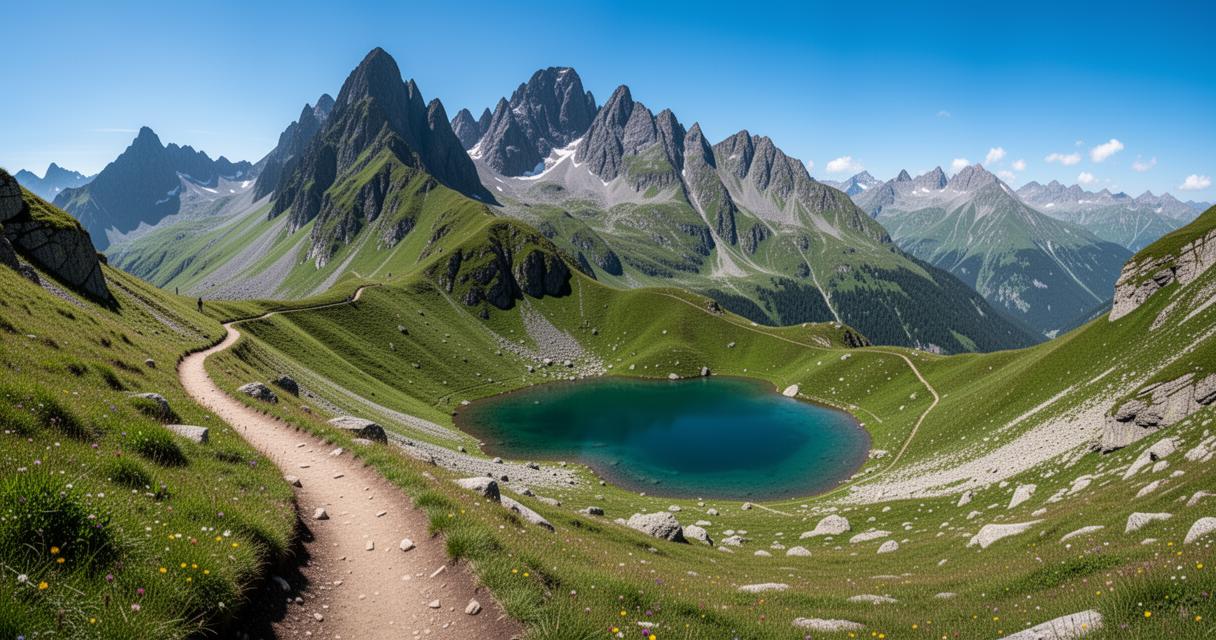
The Tour du Beaufortain begins to reveal its photographic potential almost immediately upon departure from Queige, a charming village that serves as a classic starting point for this alpine hiking route. The GRP trail winds upward through meadows and pine forests, offering sweeping views of the massif that reward those who rise early and set out before the day’s light softens into midday haze. For landscape photographers, the first stages of this multi-day hike are rich with layered compositions, where foreground wildflowers contrast beautifully against distant snowy ridgelines.
Framing early morning views near the local refuge
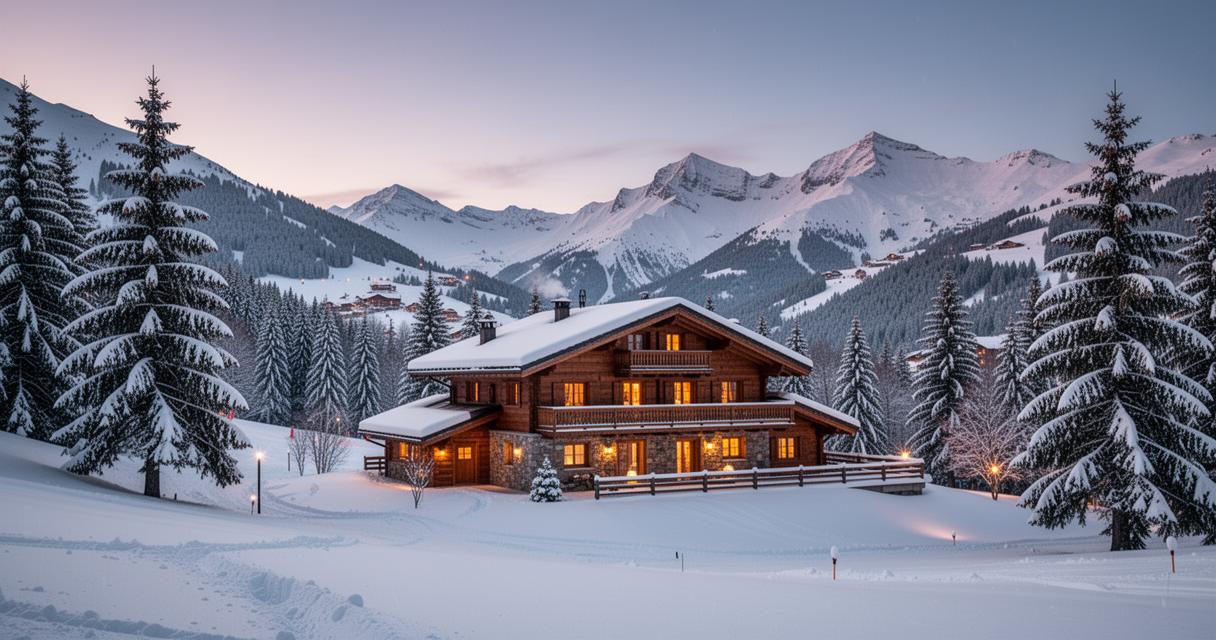
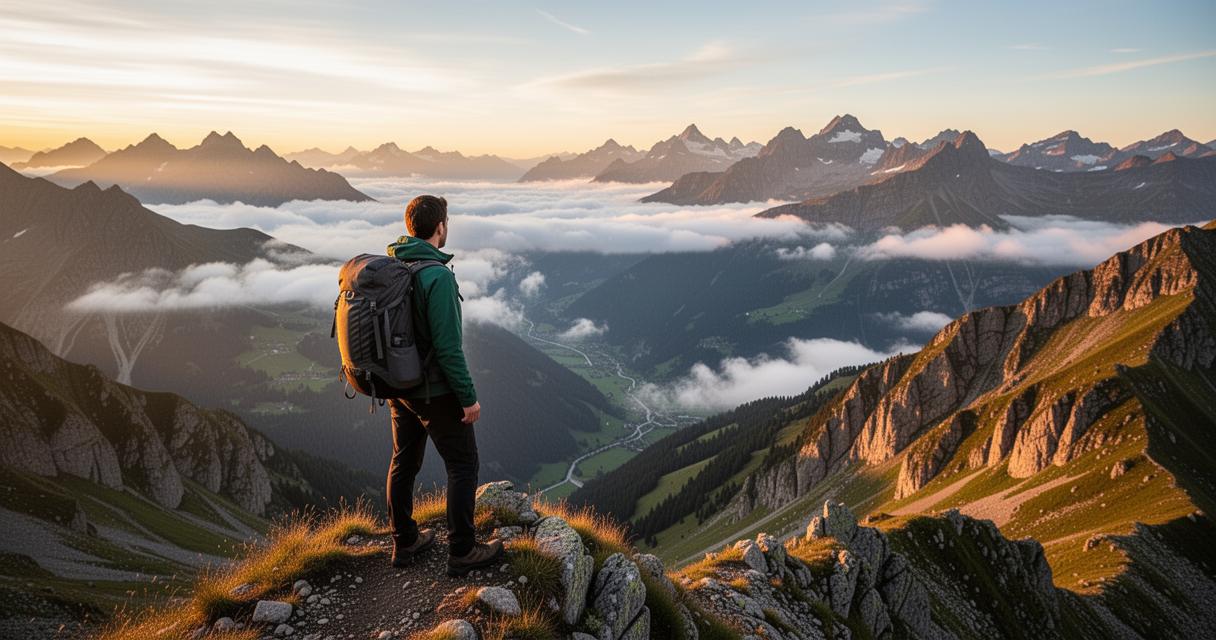
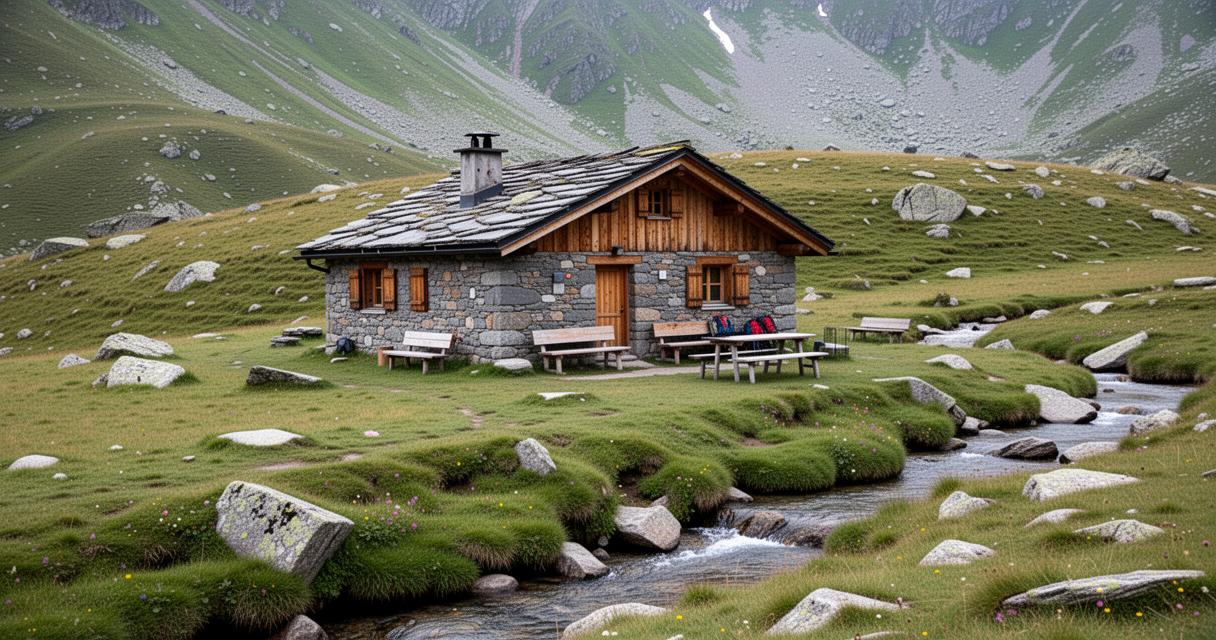
Spending a night in one of the mountain refuges along the circuit is not merely a practical necessity — it is a genuine photographic opportunity. Waking at dawn while your fellow hikers still sleep, you can position yourself outside the refuge to capture the first warm light spilling across the peaks. The Presset refuge, nestled in a high valley on the trekking itinerary, sits at an elevation where mist often lingers in the early hours, creating a soft, ethereal atmosphere that gives images an almost painterly quality. Arriving the evening before and scouting the surrounding terrain means you will already know exactly where to stand when that golden light appears.
Utilising natural light across high pass vistas
The high passes of the Beaufortain massif — including the Col du Bonhomme, which sits at 2,329 metres, and the Passage de la Charmette at 2,058 metres — are moments of dramatic revelation on this challenging mountain hike. Crossing a col and suddenly confronting a vast panorama on the other side is both physically exhilarating and visually spectacular. For the best results, aim to reach these high points during the golden hour before the sun climbs too high, or alternatively in the late afternoon when shadows lengthen and textures become pronounced across the rocky terrain. The positive elevation gain across the entire route, which totals nearly 4,850 metres, means the light conditions change constantly as you move between valley floors and exposed ridges.
Photographing iconic landmarks and scenic alpine lakes
Among all the visual highlights of hiking in Savoie, the lakes and rocky summits of the Beaufortain stand apart. The region draws nature photographers from across Europe precisely because its landscapes remain relatively free from crowds, making it possible to compose a clean shot without dozens of other visitors in the frame. Indeed, travellers who have completed the circuit have noted that the route feels refreshingly off the beaten path compared with busier French Alps destinations.
Composition techniques for the Pierra Menta and surrounding peaks
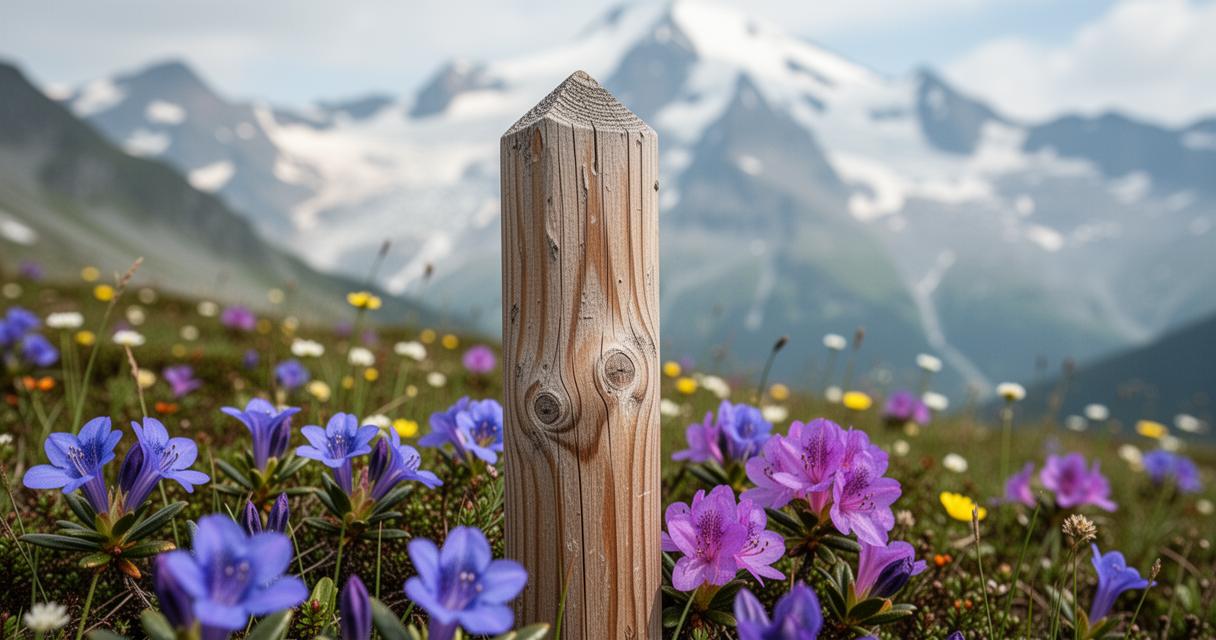
The Pierra Menta is arguably the most distinctive landmark in the entire Beaufortain range — a great blade of rock rising sharply above the surrounding terrain, unmistakable in profile and extraordinarily photogenic. When photographing this scenic trekking trail‘s centrepiece, the key is to resist the temptation to simply point your camera directly at it. Instead, seek out a foreground element — a cluster of arolles trees, a field of alpine flowers, a weathered wooden fence — that anchors the composition and draws the eye naturally toward the peak. The white summit catches light differently at various times of day, so returning to the same vantage point at different hours will yield strikingly different results.
Balancing reflections at Roselend Lake and St Guerin Lake
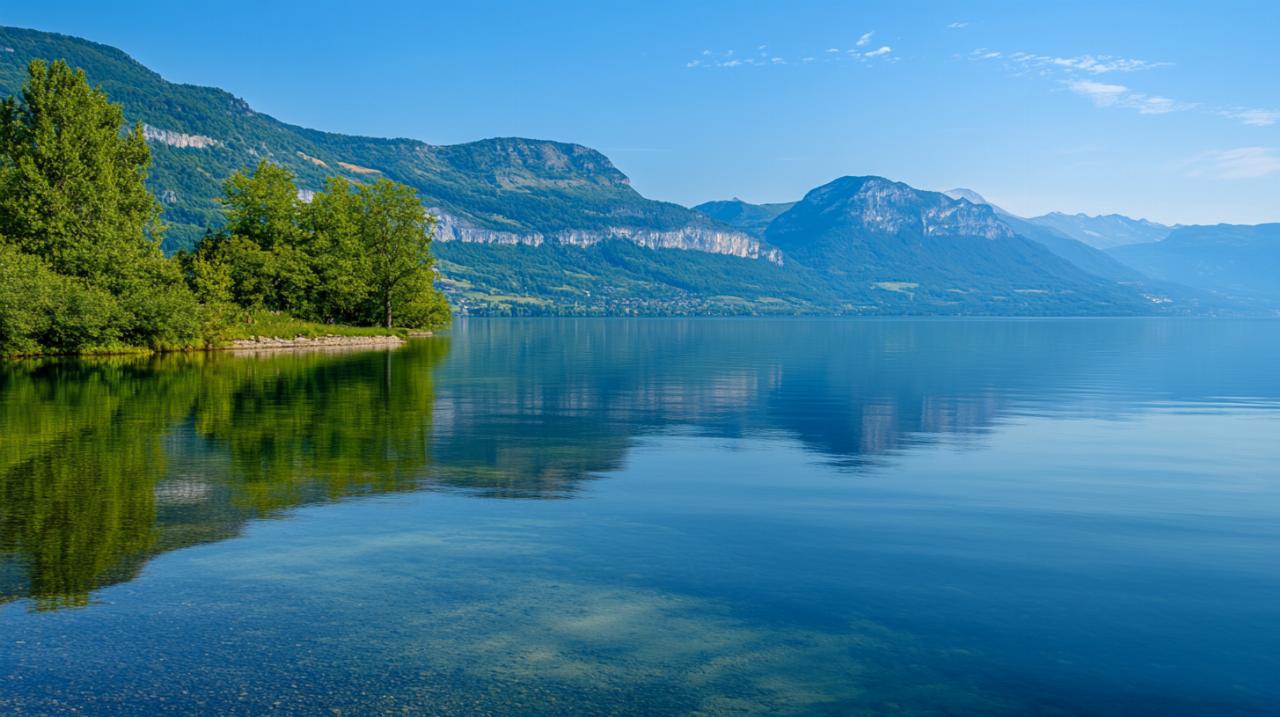
The two great lakes of the Beaufortain — Roselend Lake and St Guerin Lake — offer some of the most technically satisfying photography of the entire circuit. Both bodies of water, formed by the region’s famous dams, create mirror-like surfaces on calm mornings that double the visual impact of the surrounding peaks. To capture a strong reflection, arrive early before the wind picks up, and position yourself low to the waterline so the surface fills the lower half of your frame. Polarising filters are especially useful here, allowing you to control the intensity of the reflection and reduce unwanted glare. The Roselette pass, which the trail crosses nearby, provides elevated vantage points that place the lakes in dramatic context within the wider landscape.
Essential Gear and Tips for a Multi-Day Trekking Journey
Completing the full Tour du Beaufortain — a loop of roughly 98 kilometres with a total ascent of nearly 4,850 metres — is a serious undertaking in terms of both fitness and logistics. The trail is classified as extra difficult, and the elevation changes encountered across each stage demand careful preparation. For photographers, the challenge is compounded by the need to carry camera equipment alongside standard trekking kit, making weight management absolutely essential.
Managing photo equipment during long elevation shifts
The single most important piece of advice for any photographer embarking on this high altitude trekking adventure is to be ruthless about what you carry. A mirrorless camera body is significantly lighter than a traditional DSLR and will be far less punishing over a long day of hiking. Choose two or three versatile lenses rather than a full kit — a wide-angle lens for vast mountain panoramas, and a slightly longer focal length for isolating details such as a distant refuge, a pair of chamois on a ridge, or the texture of ancient rock. A sturdy but lightweight tripod is worth the extra weight on a route this rich with photographic possibilities, particularly for dawn shoots and long-exposure lake reflections. Distribute equipment across your pack thoughtfully so that the heaviest items sit close to your back and as high as possible, keeping your centre of gravity stable on uneven terrain.
Preparing for dynamic mountain weather and changing light
Mountain weather in the Beaufort region is notoriously changeable, and the Beaufortain massif is no exception. Afternoon thunderstorms can build rapidly during summer months, transforming a clear blue sky into a dramatic cloudscape in a matter of hours. Rather than retreating to your tent or refuge at the first sign of cloud, experienced mountain photographers know that this is precisely when the most extraordinary images become possible. Crepuscular rays breaking through storm clouds, a rainbow arcing above the Col du Pré at 1,703 metres, or a veil of mist descending over a high valley are all moments that reward patience and preparedness. Keep your camera accessible at all times — not buried at the bottom of your rucksack — and always carry a waterproof cover for both your gear and yourself. The palette of colours available to you on a route like this, from the deep greens of the coire meadows to the stark whites and greys of the high passes, is extraordinary, and the dynamic light of mountain weather only enriches it further.