
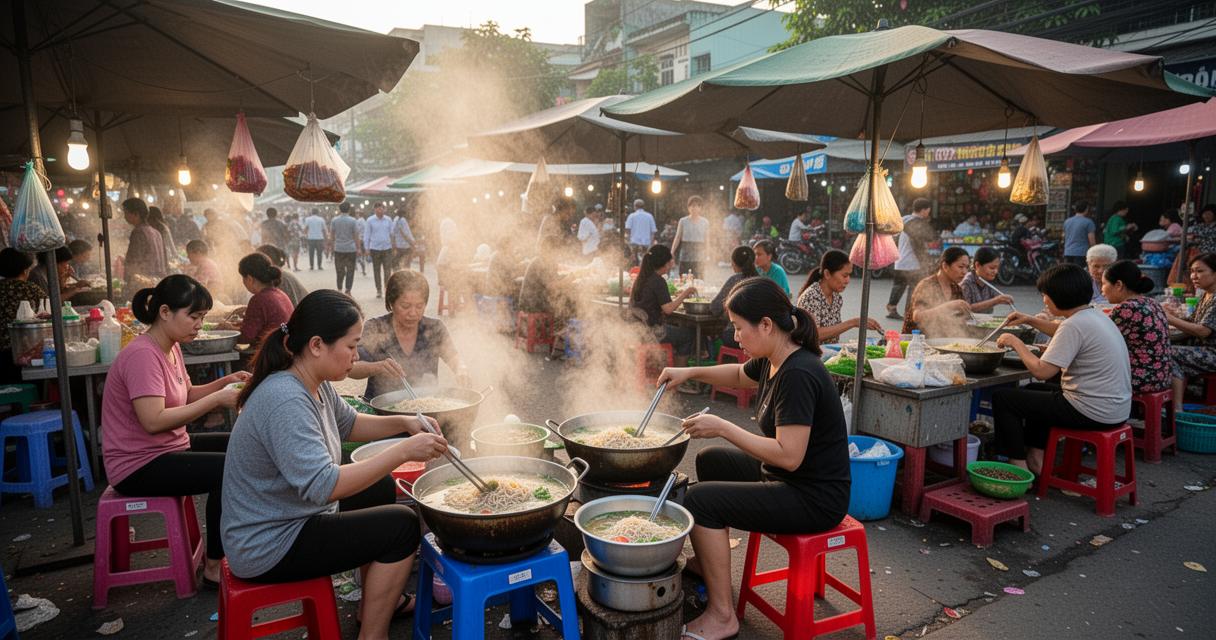





From the misty streets of Hanoi at dawn to the bustling morning markets of Shanghai, breakfast across Asia is a deeply personal and wonderfully diverse affair. Far from the quick bowl of cereal or slice of toast that many in the UK might grab on the way out the door, Asian breakfast traditions are rich, savoury, and often surprisingly hearty. Whether you are planning a travel circuit through the continent or simply seeking inspiration for a wholesome start to your day, exploring what people eat in the morning across Asia is a genuine culinary adventure.
Key points
- Asian breakfast traditions are remarkably diverse, prioritizing savory, hearty, and nutritionally balanced meals over the quick, light options common in Western cultures.
- In China, breakfast is a communal activity featuring staples like congee rice porridge, deep-fried youtiao dough sticks, and steamed baozi buns.
- Traditional Japanese breakfasts emphasize aesthetic balance, typically consisting of rice, miso soup, grilled fish, and fermented foods like natto, though modern habits are increasingly incorporating Western elements.
- Southeast Asian morning meals often feature bold, fragrant flavors, such as Vietnamese pho noodle soup and a variety of sticky rice dishes.
- Indonesia and the Philippines offer substantial morning options like nasi goreng and silog, both of which center on garlic fried rice paired with eggs and protein.
- Across the continent, breakfast is viewed as a vital, nourishing start to the day that frequently incorporates vegetables, fermented ingredients, and localized staple grains or wheat.
- Regional variations are significant, ranging from the rice-centric dishes of southern Asia to the wheat-based breads, pancakes, and flatbreads favored in northern regions and India.
Traditional morning dishes in east asia
East Asia offers some of the most recognisable and beloved breakfast culture in the world, with ingredients and techniques that have been refined over centuries. In this corner of the globe, the morning meal is rarely an afterthought, it is a considered, balanced occasion that sets the tone for the entire day.
Savory Porridge and Steamed Buns in Chinese Cities
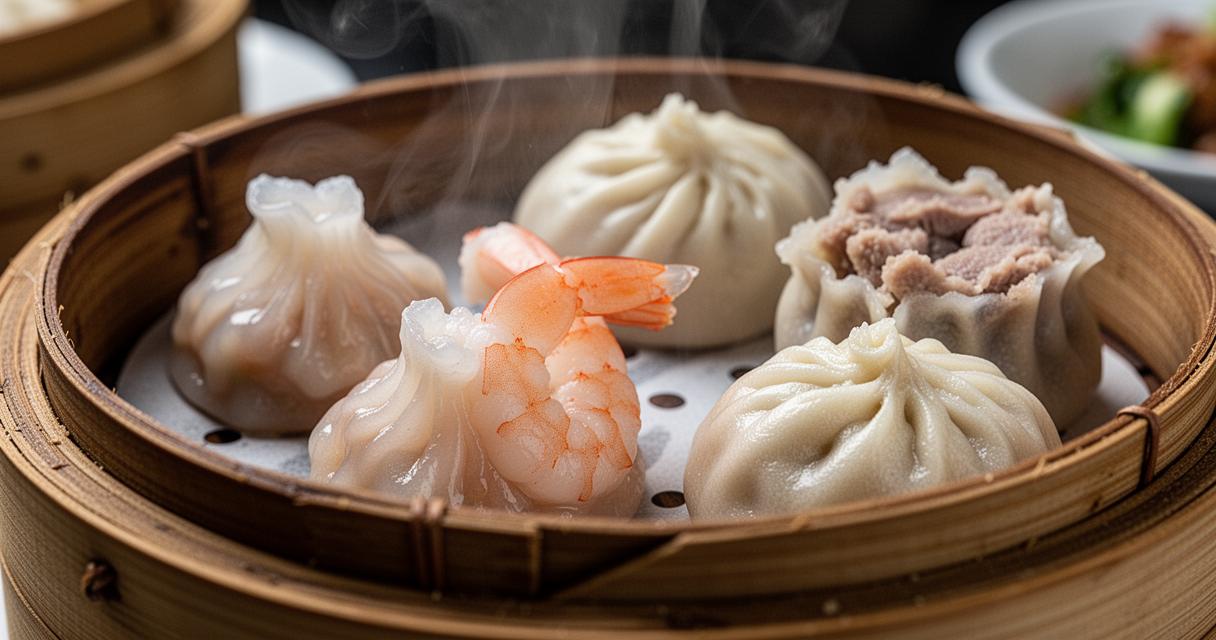
In China, the morning table is a lively and communal affair. Wander through any Chinese city before nine o’clock and you will find street vendors doing a brisk trade from as early as five in the morning. Among the most popular offerings is congee, a comforting rice porridge that forms the backbone of countless regional breakfast specialties. Soft, warming, and endlessly adaptable, congee can be topped with preserved eggs, pickled vegetables, or shredded pork depending on the region. Alongside it, youtiao (deep-fried dough sticks known colloquially as Deep Fried Devils) are frequently dunked into the porridge or eaten alongside a cup of tea, since Chinese breakfast drinks are overwhelmingly tea-based. Steamed buns, or baozi, filled with pork or vegetables, round out the savoury selection beautifully, making the Chinese breakfast one of the most filling breakfast options in Asia.
Dim sum also features in the Chinese morning repertoire, particularly at weekends when families gather for a longer, more leisurely meal. The emphasis is always on shared dishes and communal eating, a philosophy that defines much of the continent’s approach to breakfast.
Miso Soup and Rice Dishes across Japan
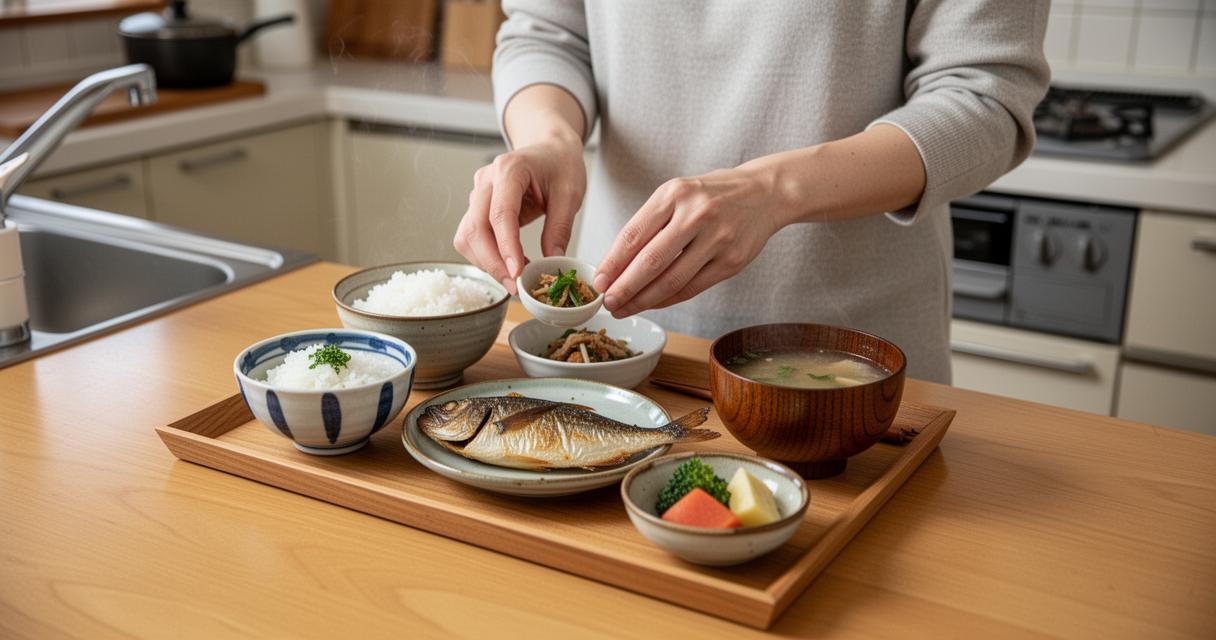
The traditional Japanese breakfast is a study in balance and presentation. A classic spread includes steamed rice, a bowl of miso soup, grilled fish, and pickled vegetables, each element serving both a nutritional and aesthetic purpose. This approach reflects a broader Japanese culinary philosophy in which every component of a meal contributes to the whole. Fermented foods such as natto, a pungent soybean preparation, are a staple on many Japanese morning tables and are widely regarded as beneficial to digestion.
That said, Japanese breakfast habits have shifted notably in recent decades. Around 40 per cent of Japanese people now prefer a mix of traditional and western-style breakfasts, reaching for bread, yogurt, jam, or a rolled sweet omelette alongside or instead of rice. Rice balls, known as onigiri, have also become a popular grab-and-go option for those commuting through busy Japanese cities, offering a protein rich breakfast in a compact and portable form.
Hearty breakfast choices in southeast asia
Travel south and the diverse morning flavours of Southeast Asia unfold with even greater variety. Here, the boundaries between breakfast, lunch, and dinner are often pleasantly blurred, and the street food culture shapes the morning meal just as much as any home kitchen.
Fragrant Noodle Soups and Herbs in Vietnam
In Vietnam, breakfast is an occasion for bold, fragrant flavours that would surprise many western visitors. The iconic dish is pho, a deeply aromatic noodle soup made from a slow-simmered broth with rice noodles, herbs, bean sprouts, and either beef or chicken. It is the sort of breakfast that demands full attention and delivers genuine sustenance. Alongside pho, sticky rice (xôi) is another widely consumed morning staple, available from street vendors in a dizzying array of toppings including mung beans, coconut milk, and shredded chicken.
Vietnam’s breakfast culture also bears a distinct French influence, a legacy of colonial history. French bread, or bánh mì, appears at morning tables across the country, sometimes eaten plain with coffee, sometimes filled with pork, pâté, and pickled vegetables to create one of the most satisfying street food breakfast experiences anywhere in the world. Vietnamese coffee itself deserves a mention, strong, dark, and often served with sweetened condensed milk over ice, it is a morning ritual that rivals any café culture in Europe.
Sticky Rice and Pork Flavours for a Travel Circuit
For those building a travel circuit through Southeast Asia, the breadth of morning meals is one of the great pleasures of the journey. In Thailand, breakfast takes the form of khao tom, a rice porridge similar to congee but distinctly Thai in flavour, served with minced pork, ginger, and crispy garlic. Pa thong go, the Thai equivalent of Chinese youtiao, are often dipped into warm soy milk or served alongside a bowl of jok. The savoury porridge tradition is deeply embedded across the region, varying in spice and accompaniment from country to country.
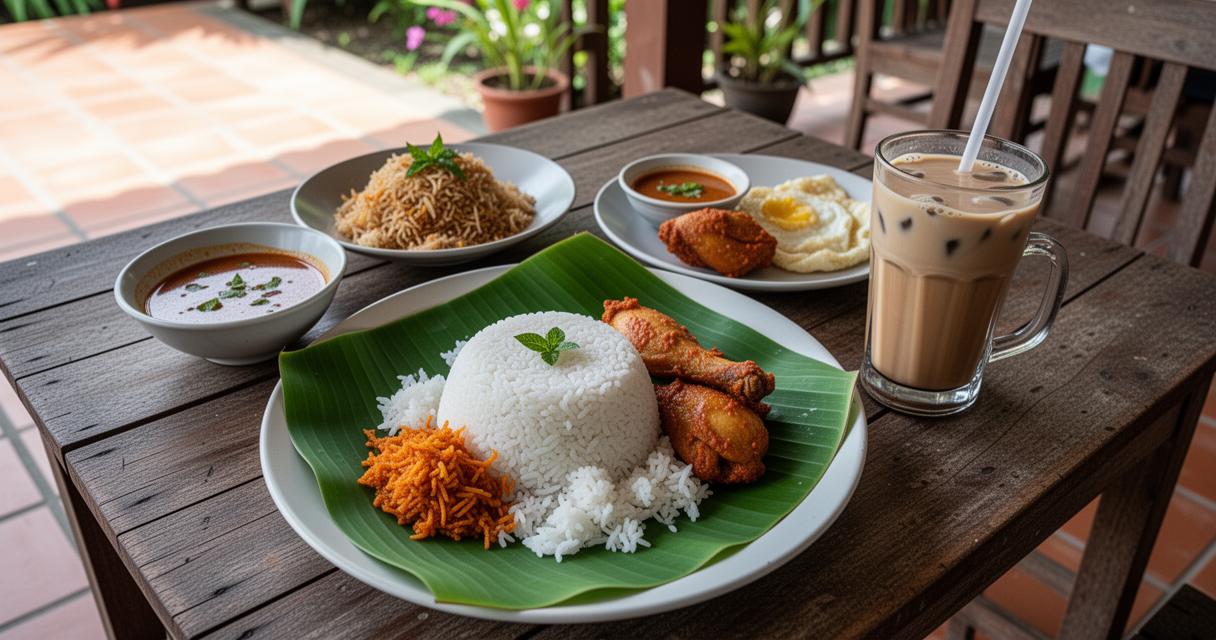
In Indonesia, the morning often begins with nasi goreng, a boldly spiced fried rice dish that is every bit as satisfying at sunrise as it is at any other hour. Purchased from street vendors or prepared at home, it represents a distinctly balanced breakfast, rice, egg, vegetables, and protein all in a single wok-tossed serving. The Philippines takes a similarly generous approach with its beloved silog dishes, built around garlic fried rice, a fried egg, and a choice of protein such as cured beef or marinated pork.
Essential Ingredients of the Asian Breakfast Table
Across so many different countries and culinary traditions, certain core ingredients and principles keep surfacing at the morning table. Understanding these Asian culinary staples helps to explain why Asian breakfasts are increasingly admired around the world for their nutritional value and depth of flavour.
Soy Milk and Wheat Bread Variations in the North
In the northern regions of China and in Taiwan, soy milk (dòujiāng) holds a place of great importance on the breakfast table. It is served hot or cold, sweetened or plain, and is often paired with freshly made wheat-based breads or savoury pastries. Taiwan’s breakfast culture in particular blends Chinese and western influences, featuring egg dishes, tofu, soybean milk, and an array of baked or steamed buns. The use of wheat flour in northern Chinese breakfasts produces a range of doughs, pancakes, and flatbreads that differ markedly from the rice-centric morning meals of the south.
Korea follows a similarly substantial approach, with a traditional breakfast built around rice, soup (often a hearty beef or fish broth) and an assortment of small side dishes including the ever-present kimchi. Fermented and marinated dishes are central to the Korean morning table, contributing complex flavours and, according to widespread belief, meaningful digestive benefits. Haejang soup, a rich broth traditionally consumed as a restorative morning meal, speaks to the Korean philosophy that breakfast should genuinely nourish and revive.
Vegetables and Marinated Dishes for a Complete Meal
What unites almost all Asian breakfast traditions, despite their remarkable diversity, is an emphasis on wholesome ingredients and complete, satisfying meals. Vegetables appear at the morning table in nearly every country, pickled in Japan, stir-fried in China, fresh and herbal in Vietnam, spiced and curried in India. The Indian breakfast table is itself a world unto itself, with South India favouring fermented dishes such as dosa made from a rice and lentil pasta, while North India favours heavier wheat-based options like parathas, a layered flatbread cooked on a griddle with ghee.
Whether it is the delicate balance of a Japanese breakfast, the bold warmth of a Vietnamese pho, or the communal generosity of a Chinese dim sum spread, Asian breakfasts offer an extraordinary window into the food cultures of the world’s most populous continent. For the curious cook or the enthusiastic traveller, these international breakfast ideas are not only delicious, they are genuinely nourishing, deeply rooted in tradition, and endlessly worth exploring.